

Top 10 Countries With the Best Education Systems in the World

Table of Contents
Introduction
Choosing the right country for education has become increasingly important as nations compete to build skilled workforces and strong innovation ecosystems. A high-performing education system not only produces competent students, but also nurtures equity, creativity, problem-solving, and digital readiness.
Today’s global education landscape includes systems that emphasize different strengths — some focus on equity like Finland, others on STEM rigor like South Korea, and others on research ecosystems like the United States. Understanding these differences helps students, parents, and policymakers make better academic and career decisions.
Ranking Criteria Used to Evaluate Countries
To fairly compare national education systems, multiple indicators must be considered, including:
| Criteria | Description |
|---|---|
| Literacy & HDI | Basic literacy & human development indicators |
| STEM Competency | PISA & OECD science/maths performance |
| Teacher Quality | Training, autonomy, and professional respect |
| Equity & Inclusion | Access for diverse and disadvantaged groups |
| Research & Higher Ed | University rankings & research output |
| Digital Readiness | EdTech adoption & infrastructure |
| Vocational Pathways | Career alignment & technical training |
For authoritative context on global benchmarking, international reports such as OECD PISA and HDI metrics provide widely recognized data.
Finland – Student-Centered & Equity-Driven
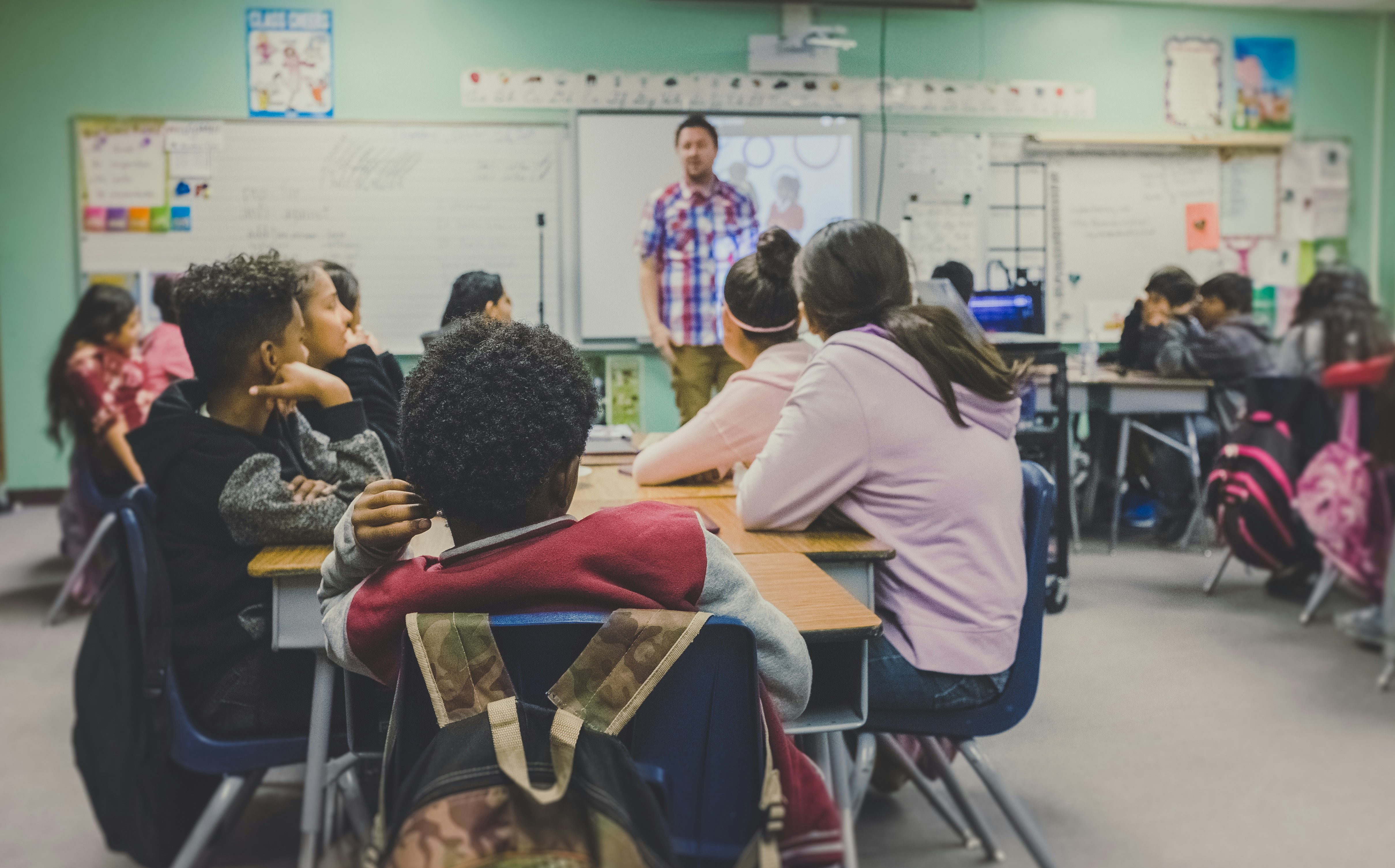
Finland remains a global benchmark for education equity, teacher autonomy, and student well-being. Teachers complete rigorous master’s-level training and are granted significant classroom freedom, fostering intrinsic motivation rather than test-driven compliance. Early childhood learning emphasizes play, creativity, and curiosity.
Finland’s commitment to equity aligns with trends seen in countries ranked highly for happiness and well-being (as seen in the Top Happiest Countries 2025).
Lesson for Others: Focus on teacher professionalism over standardized testing.
South Korea – STEM Excellence & Academic Discipline
South Korea consistently places near the top in international STEM assessments due to its strong emphasis on mathematics, science, and language education. Students spend extensive hours studying, supported by families and private tutoring networks.
To balance academic pressure, South Korea is gradually incorporating more creative and project-based learning. This evolution offers a hybrid model blending rigor with flexibility — a valuable combination in a technology-driven world.
Lesson for Others: Build strong STEM foundations, then support creativity and collaboration.
Japan – Cultural Discipline Meets Technological Innovation
Japan combines cultural traditions like classroom responsibility with modern robotics and digital learning. Students are taught to clean classrooms and manage tasks collectively — fostering respect, discipline, and civic responsibility alongside academic rigor.

National curricula ensure equal access whether students live in major cities or remote areas, helping reduce regional disparities.
Lesson for Others: Integrate ethics and community values while adopting EdTech.
Singapore – Strategic Curriculum Engineering
Singapore continuously updates its curriculum to align with workforce needs, emphasizing inquiry-based science, bilingualism, and mathematical reasoning. Strong public schools and competitive meritocracy produce high literacy and digital readiness.
Lesson for Others: Continuously audit education policies based on economic trends.
Canada – Inclusive & Immigrant-Friendly Education
Canada stands out for inclusivity and multicultural alignment. Immigrant students receive language and counseling support, enabling them to integrate and succeed. Provincial autonomy enables innovation and local adaptation of curricula.
Lesson for Others: Support newcomers and invest in digital literacy across regions.
Netherlands – Vocational + Academic Balance
The Netherlands offers early tracking into vocational or academic paths, improving workforce alignment. English proficiency is among the highest in the world, boosting global mobility.
Lesson for Others: Provide multiple pathways rather than forcing one-size-fits-all schooling.
United States – Higher Education & Research Powerhouse
Despite variability in K-12 education, the United States dominates higher education and research output. Universities like Harvard, MIT, and Stanford attract global talent, contributing to innovation ecosystems and startup culture.
This research-driven strength mirrors factors seen in global economic rankings (similar to the Richest Countries 2025).
Lesson for Others: Build strong university–industry collaboration and flexible postsecondary pathways.
United Kingdom – Historic Academic Influence
The UK exports educational models globally through the Cambridge IGCSE and IB systems, influencing international assessments. Universities like Oxford and Cambridge provide historic depth and research excellence.
Lesson for Others: Create globally recognized qualifications to attract talent.
Germany – Technical & Vocational Training Leader
Germany’s dual education system integrates classroom theory with industrial apprenticeships, strengthening national manufacturing sectors and lowering youth unemployment.
Lesson for Others: Expand vocational training pipelines and employer partnerships.
Australia – Practical Learning & International Appeal
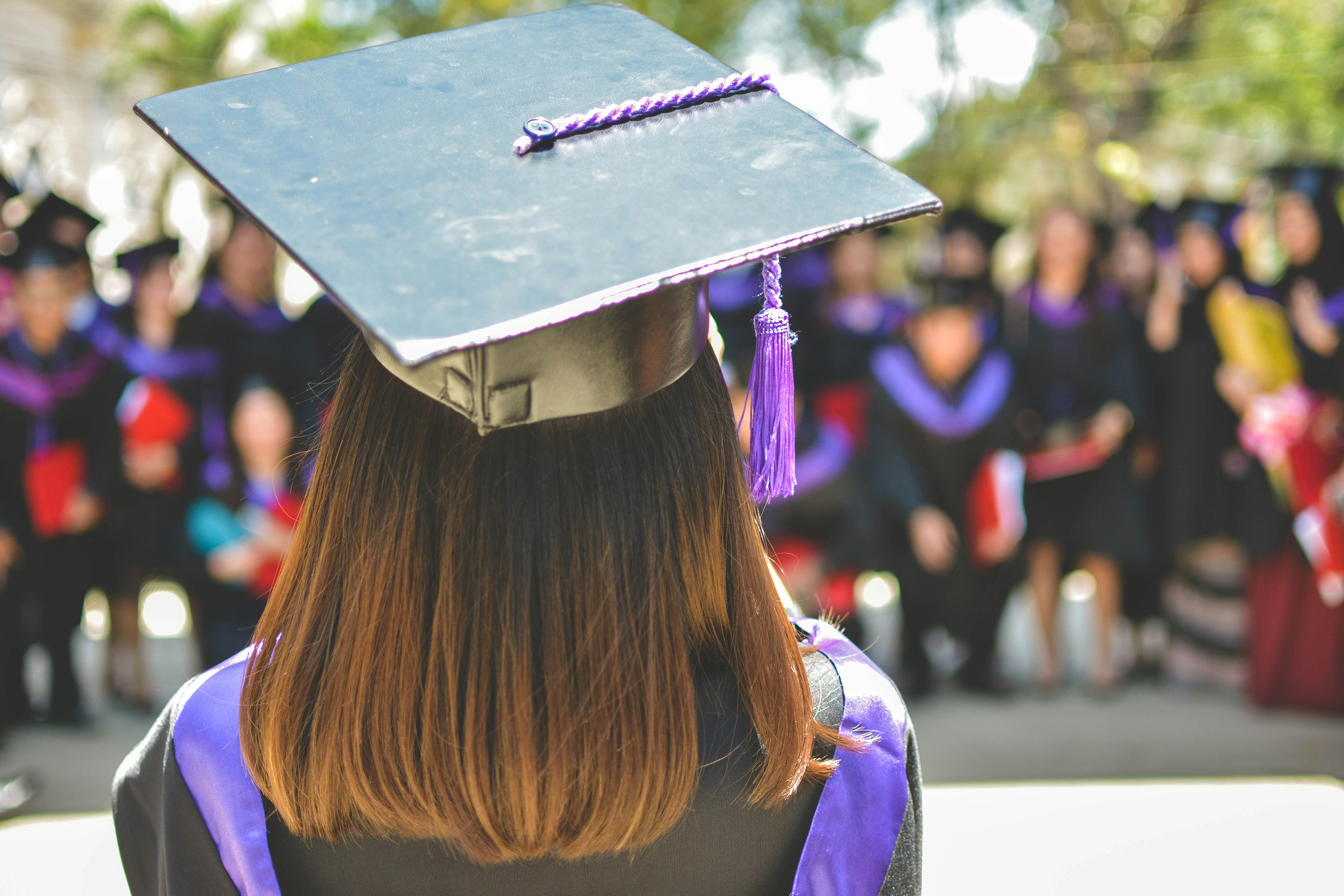
Australian schools balance academic rigor with well-being initiatives. Higher education institutions attract international students seeking diversity, research opportunities, and strong post-study pathways.
International student mobility patterns often mirror global “best places to live” trends (as analyzed in: Best Cities to Live 2025–26).
Lesson for Others: Use project-based assessments to build real-world employability.
Comparing the Top 10
| Country | Equity | STEM | Vocational | Research |
|---|---|---|---|---|
| Finland | High | High | Medium | High |
| South Korea | Medium | Very High | Medium | Medium |
| Japan | High | Very High | Medium | High |
| Singapore | High | Very High | Medium | Very High |
| Canada | High | Medium | Medium | High |
| Netherlands | High | Medium | High | Medium |
| USA | Medium | High | Low | Very High |
| UK | Medium | High | Medium | Very High |
| Germany | Medium | Very High | Very High | High |
| Australia | Medium | High | Medium | High |
Future Trends in Education
AI-driven tutoring, hybrid classrooms, and competency-based certifications are reshaping education globally. Nations that emphasize creativity, socio-emotional learning, and digital skills will produce resilient future workforces.
FAQs
Conclusion
There is no universal best model — only systems optimized for their cultural, economic, and social contexts. When nations learn from each other, outcomes improve for everyone.
• Top 7 Happiest Countries in the World 2025
• Top 7 Safest Countries 2025
• Top 12 Tourist Places in 2025
About the Author

Zakir Hussain creates educational content on History, Science, World Affairs, Technology, Nature, Sports, and Tech Reviews. His goal is to provide fact-based and reader-friendly information.
📩 thedeepbyte@gmail.com


0 Comments